
Toggl (previously Toggl Track) is a time tracking software that’s been around since 2006, and while it’s the most popular time tracking software in the world, it has some serious issues. With a confusing user interface, time-consuming manual processes, and high pricing hiding behind its free plan, there are five big reasons why you shouldn’t be using it. Let’s go through them.
1. Confusing interface and slow loading
Ah, the user interface of Toggl is cluttered with various options and features, making it difficult to navigate. What’s worse is that the menus and submenus are not intuitive, and the layout is not user-friendly.
Another significant area for improvement with Toggl is its slow loading times, which is really frustrating. Users often need help navigating between pages or loading reports, and slow loading times also impact productivity and efficiency, as users spend more time waiting for pages to load than actually tracking their time.
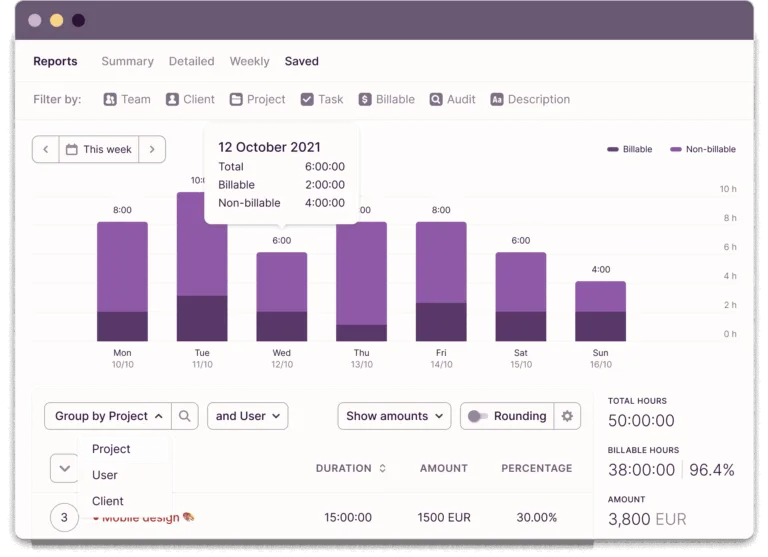
Photo from Toggl
2. Limited tagging options
Moving on, I have a bone to pick with the limited tagging options available in the free version. As someone who has a lot of different work activities, it can be challenging to categorize them with only five tags. This can lead to some wonky reports that don’t give you the insights you need.
What’s more, you can’t customize or edit your tags, so you’re stuck with what you’ve got. That’s a significant drawback for those with specialized job activities. And to top it off, limited tags can cause problems when you’re working on a team. If everyone is using different tags to describe their time entries, it can lead to confusion and hurt team productivity.
3. Time-consuming manual processes
I have also observed that the tool has some manual processes that can be time-consuming and frustrating. One such issue is the lack of automatic syncing with other apps and tools. For instance, if enterprises use Trello or Asana to manage tasks, they will need to manually enter time entries into Toggl, which means duplication of effort and a less efficient workflow.

Photo from Toggl
4. Occasional bugs
Toggl’s bugs are quite frustrating. One common bug is the timer not working correctly or stopping unexpectedly, which results in inaccurate time tracking data and may require manual adjustments.
5. Expensive
To top it off, one major drawback of the tool is its cost for over three employees. While Toggl’s free version is full of features and is quite handy, only teams with under three employees can use it. That’s where the pricing plans start to break the bank. For small companies or individuals with more than three employees, the paid plans range from $9 to $16/user/month, billed annually, which is quite expensive, especially if you have a larger team to manage.
Furthermore, some users do not require all the features included in the paid plans, which can make the cost feel even more unjustifiable.
If you want to learn more about Toggl’s pricing, here are 5 things you MUST know.
Photo from Toggl
Conclusion
Toggl is clearly not the perfect solution for everyone, but no product is perfect. There are a number of great things about Toggl that users might find useful; after all, it is one of the market leaders that have even made it to our list of top time tracking software! So, it’s worth a shot to check it out for yourselves.
Alternatively, why not read our Honest Review: Toggl, where we give our final verdict on Toggl.