Resume Templates
We created free resume templates that you can customize to present your skills, work experience, and qualifications in a clear and professional format. They are very easy to edit and require no design expertise.
What is a Resume?
A resume is a one to two-page formal document that summarizes a job applicant’s work experience, skills, education, and key achievements.
It is typically submitted at the start of a job application. The goal is to present the most relevant information in a clear, concise format, so that it is easy for the hiring manager to assess the applicant’s qualifications at a glance.
Resumes are often sent alongside a cover letter and other supporting documents, depending on the application requirements.
A resume helps job seekers present their qualifications in a clear and structured way during the application process. Here are some of the main benefits of a resume: What are the Benefits of Using a Resume?
A professional resume template generally includes the following sections: Optional sections:
Resume templates can vary based on experience level, industry, and hiring requirements. Here are three common types of resume templates: 1. ATS-friendly resumes (Best used when applying for roles that auto-scan resumes) These resumes are designed to pass Applicant Tracking Systems (ATS) used by many companies. They use simple layouts, standard fonts, and clear headings to ensure the content is easily parsed by software. 2. Creative or modern resumes (Best used for creative roles where visual presentation matters) These resumes use visually appealing designs, colors, and layouts. They are often used in creative fields such as design, marketing, or media, where presentation and personal branding matter. 3. Student or fresher resumes (Best used by candidates with little to no work experience) These are tailored for candidates with little or no work experience. They focus more on education, internships, projects, and skills rather than professional history. What is Included in a Resume?
What are the Different Types of Resume Templates?
A well-written resume is easy to review at a glance: Tips for Writing a Resume
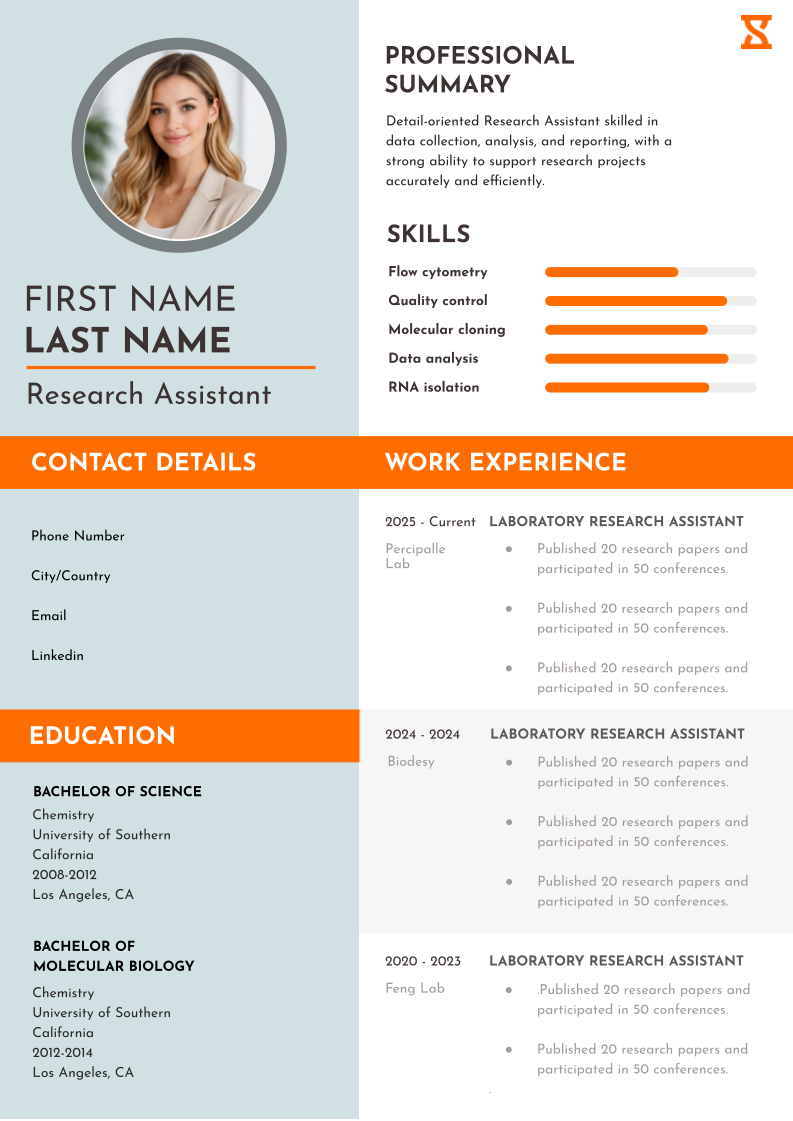
Jibble’s free resume templates

Create an account and take the hassle out of time tracking - it's FREE forever for unlimited users!